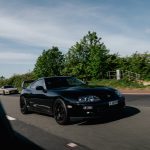
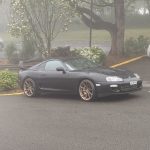
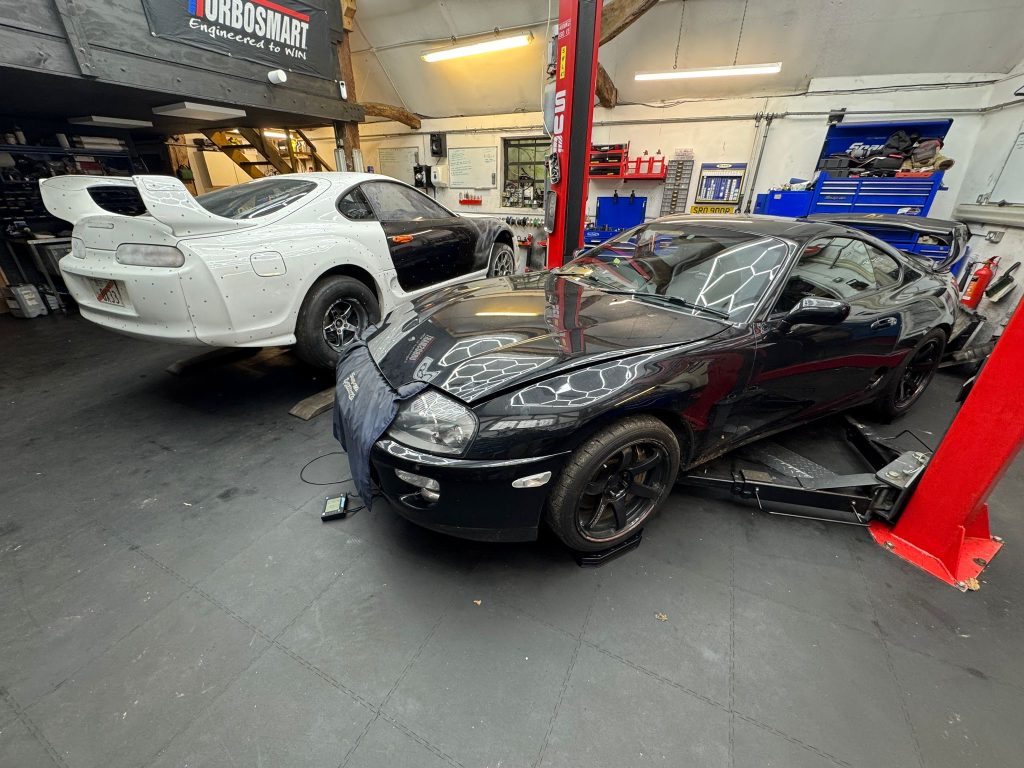
If you’ve been following this build from the start, you’ll know the plan was always to go 3.4 stroker. The 3.0 on the G40-900 was never the finished article. It was the shakedown. Get the 8 speed right, get the Emtron dialled in, get the car driving properly and then go and build the engine. Well, it’s done. And it was well worth the wait.
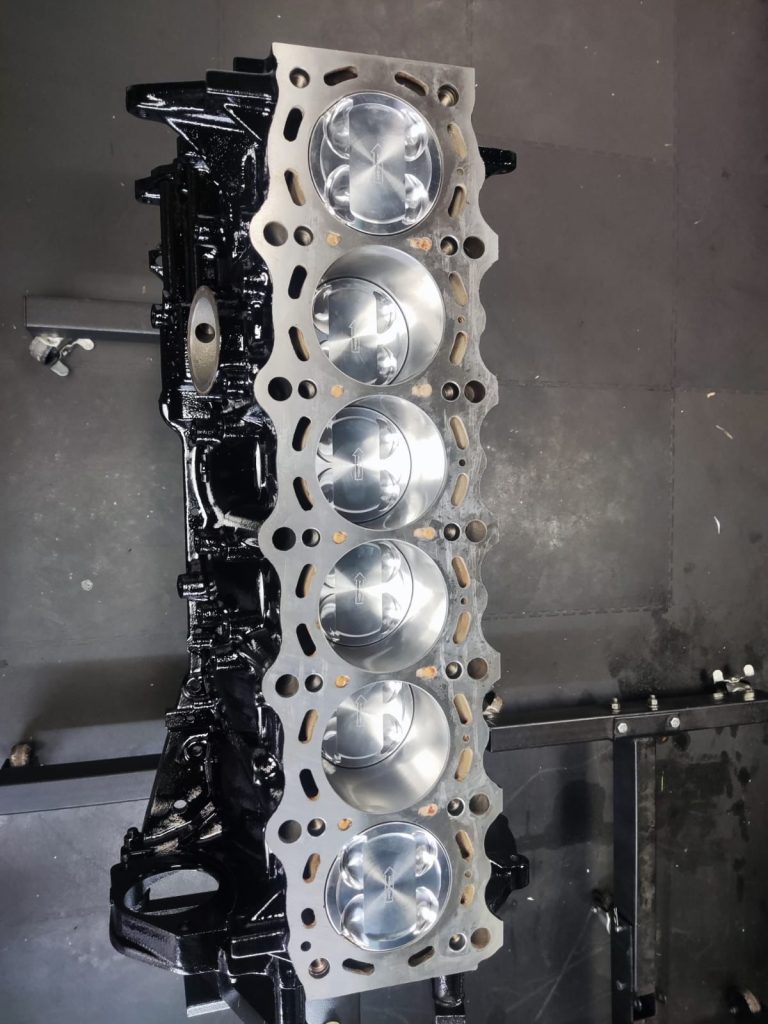
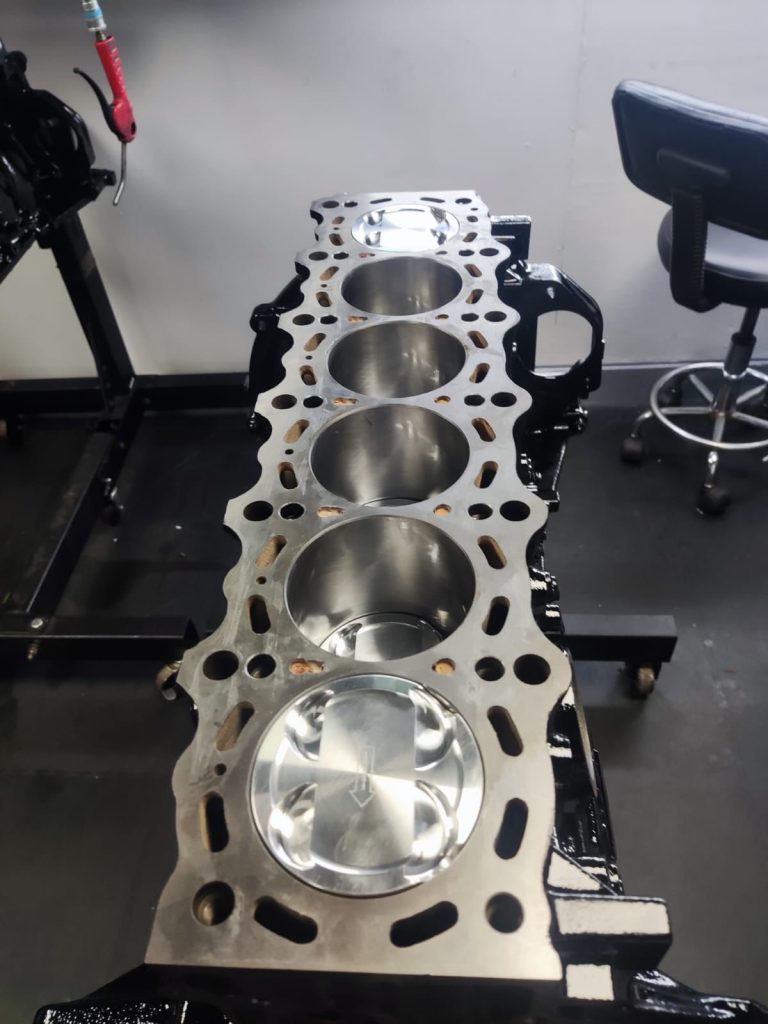
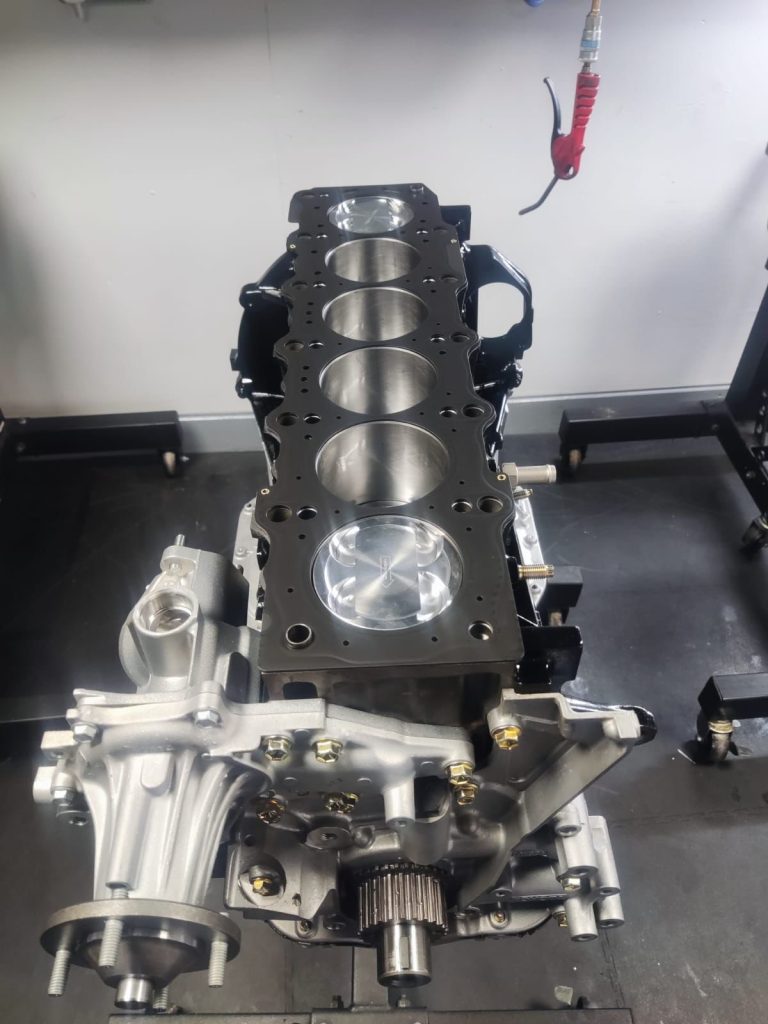
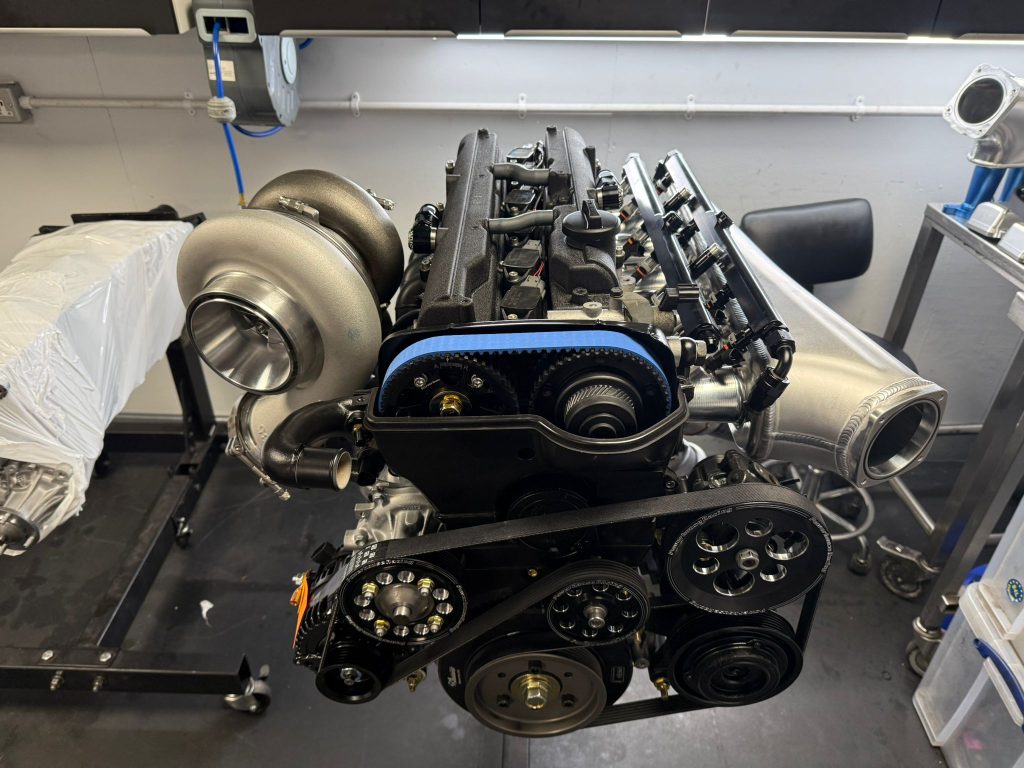
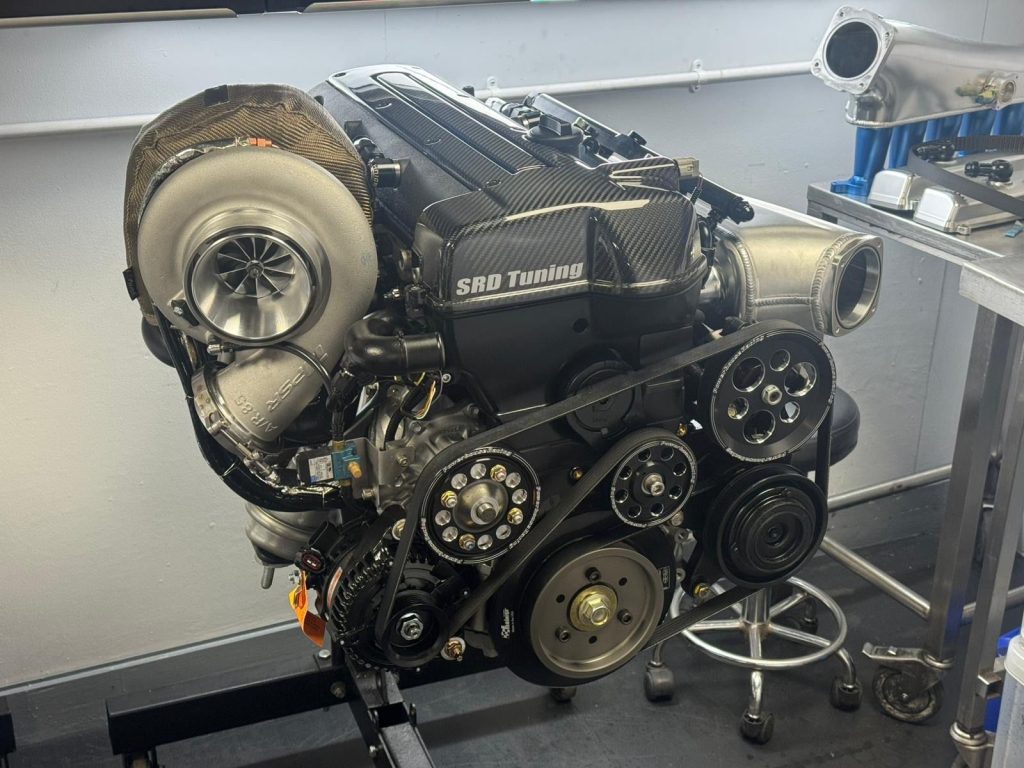
The car went back to SRD Tuning to have the engine pulled and the 3.4 built. For those who don’t know what a stroker is, and there’s no shame in that, the standard 2JZ has an 86mm bore and 86mm stroke, giving you 3.0 litres. The stroker crank increases the stroke to 94mm, and combined with an oversized bore you end up at 3.4 litres. More displacement means the engine moves more air per revolution, which means more torque, earlier. It also means a turbo that felt slightly lazy on the 3.0 will spool noticeably quicker on the 3.4. Physics doing the work for you.
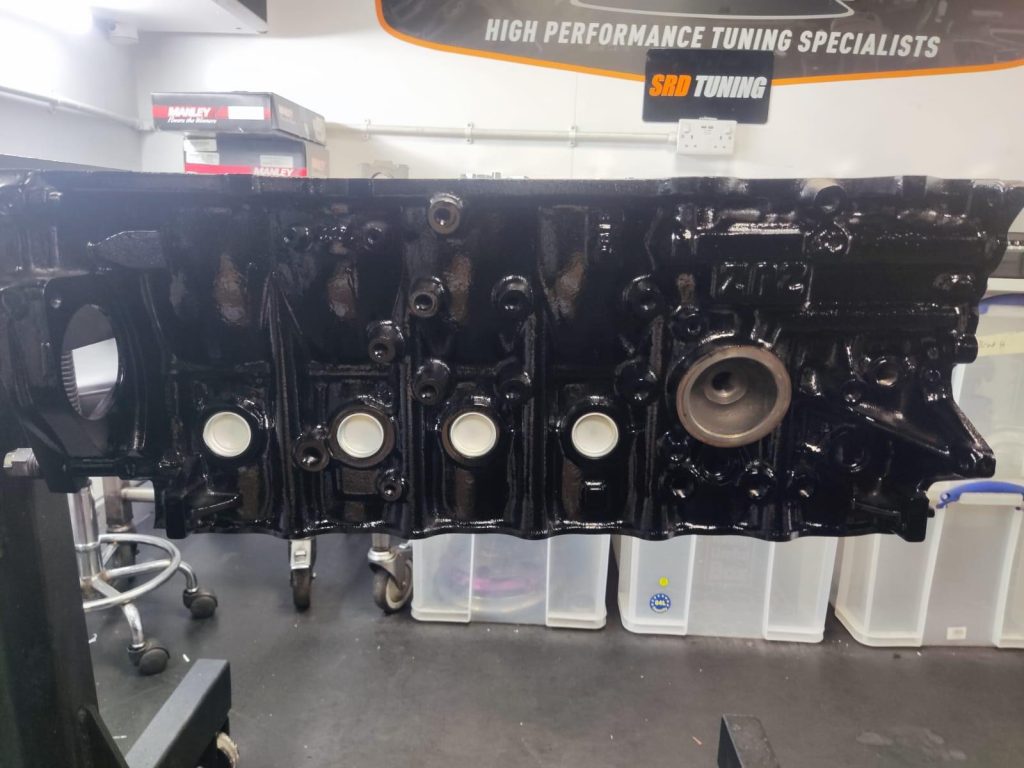
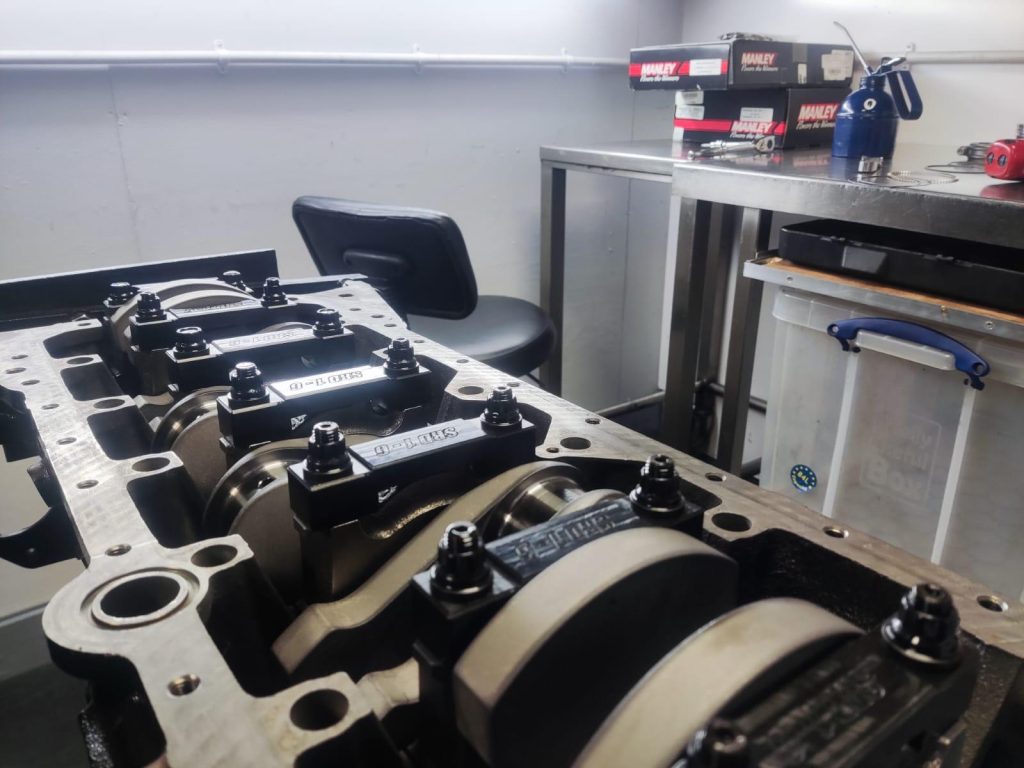
The Stroker Bottom End
The bottom end is where the money goes, and it’s where you absolutely cannot cut corners. This is an SRD 3.4 build, built to their spec, and given what they’ve done with my car up to this point, I trust them completely on the component selection. The compression ratio is worth talking about. Higher comp gives you better throttle response, better off-boost driveability, and honestly it just makes the car feel alive at part throttle in a way that a low-comp engine doesn’t. The trade-off is that you need to manage detonation more carefully at the top end under boost, but that’s what the Emtron is for. Dynamic compression is what matters under boost, and between the cam profiles and the VVTi, Mike has that well under control.
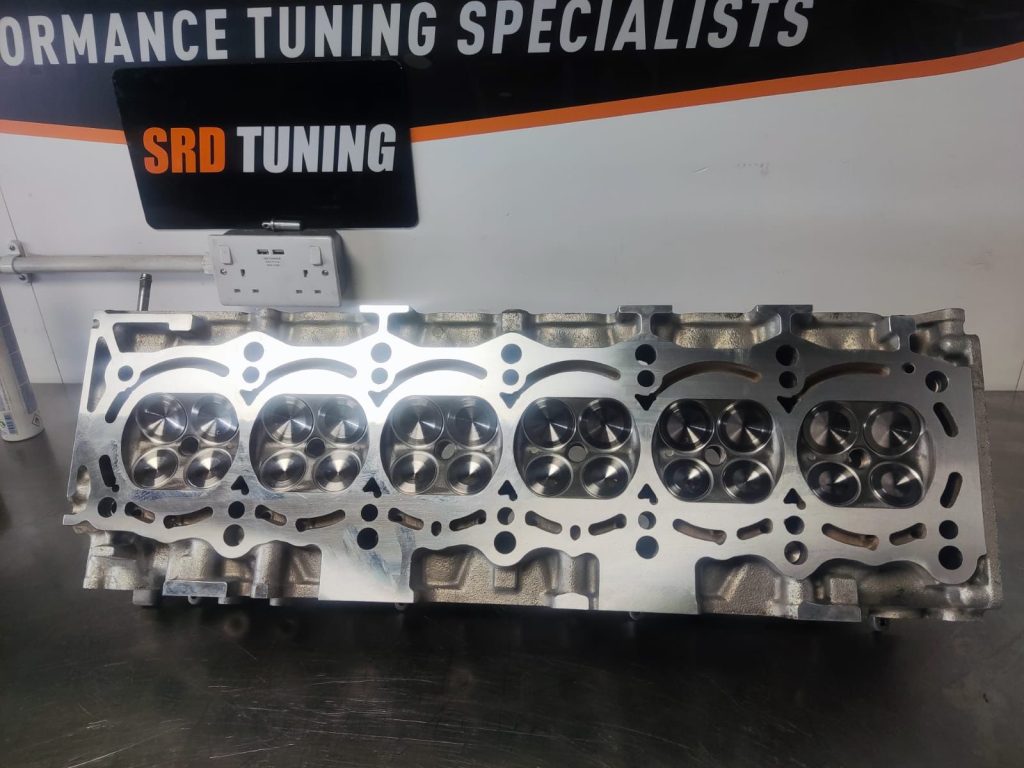
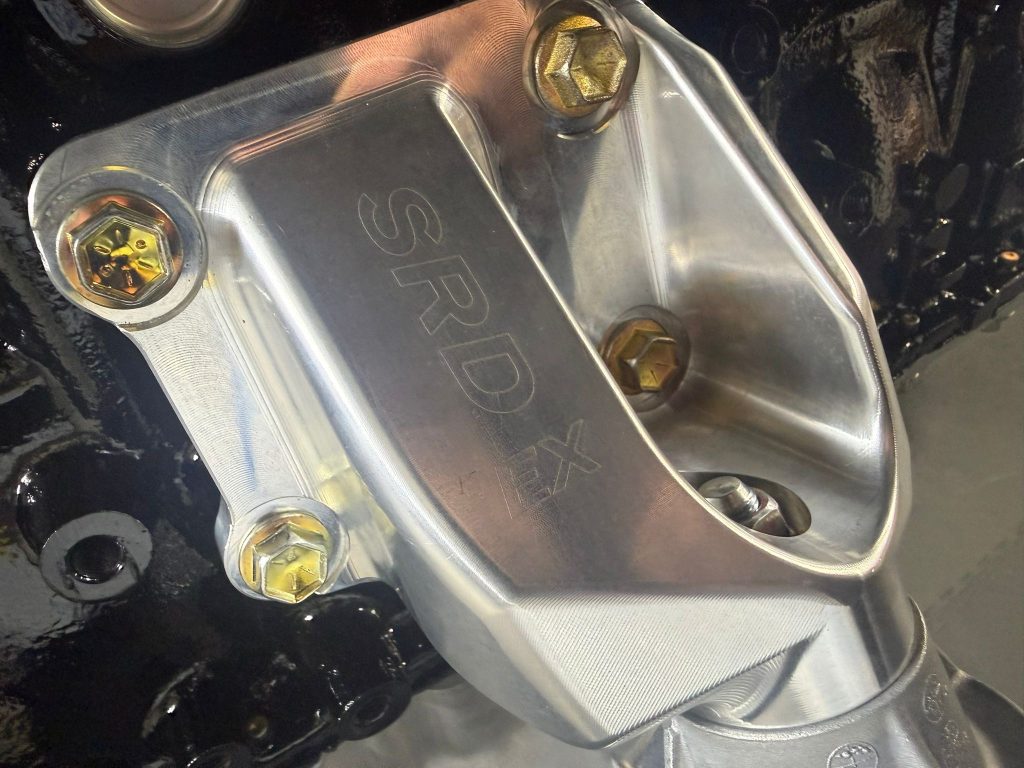
The Head: Oversized Valves and Cams
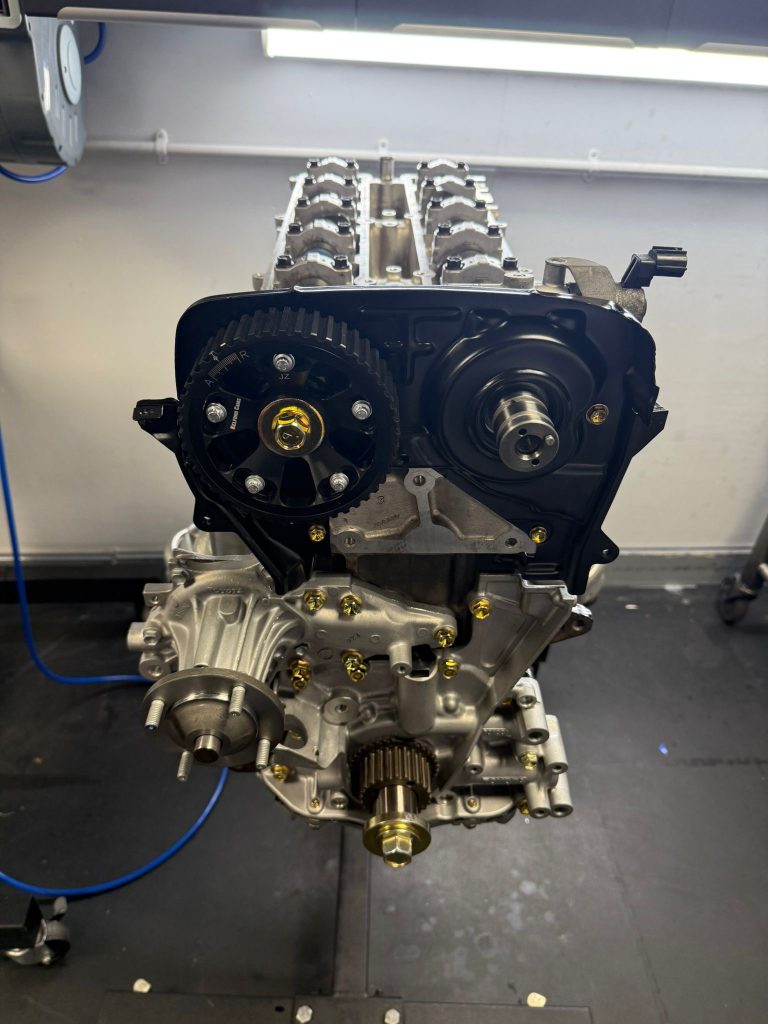
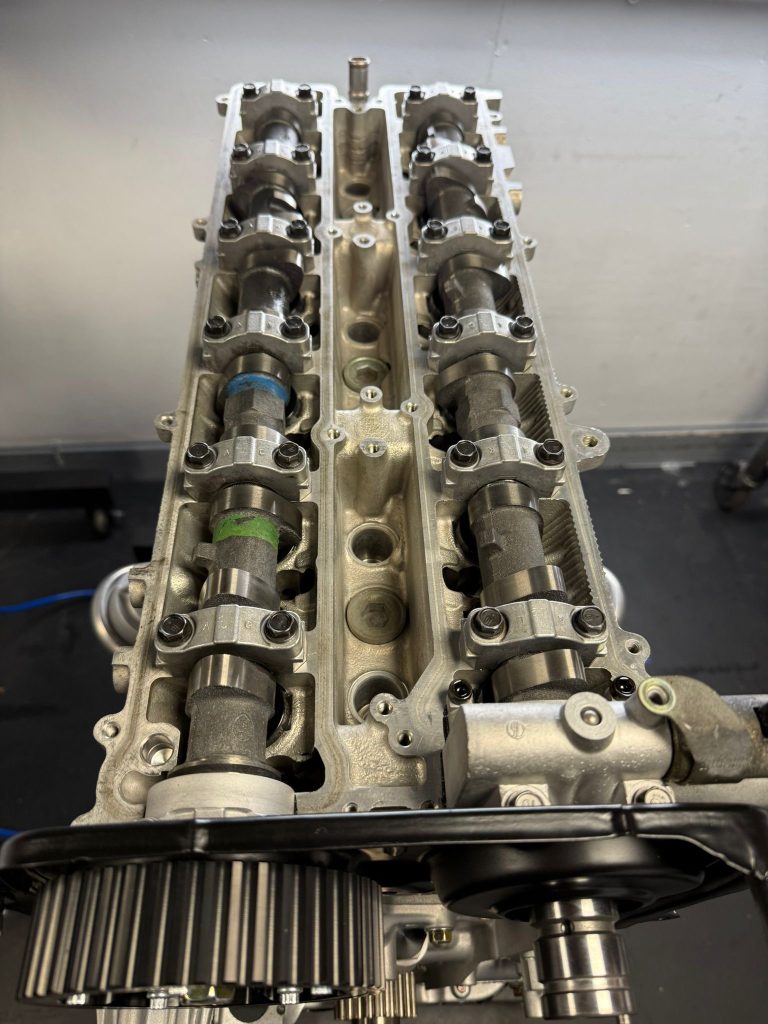
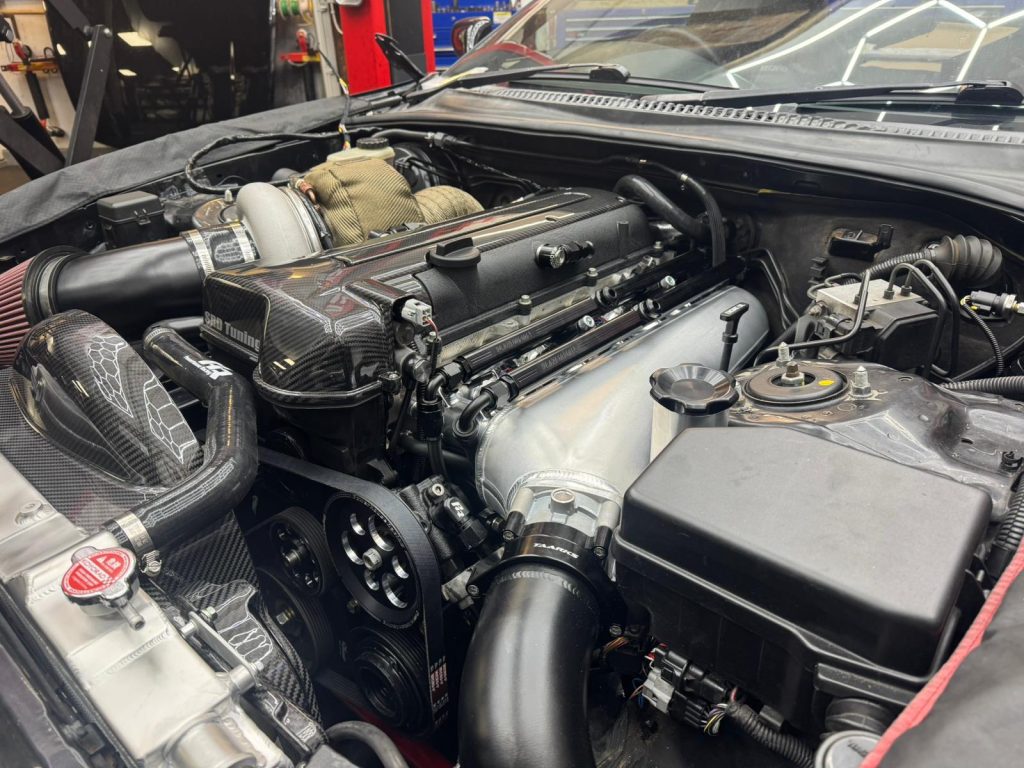
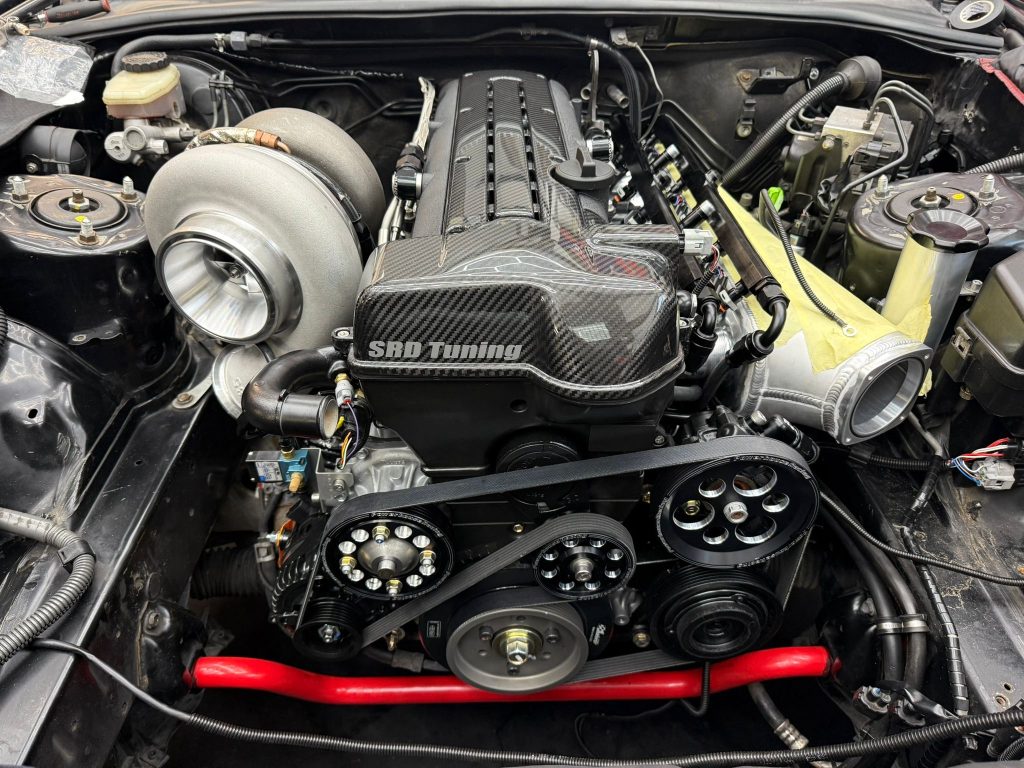
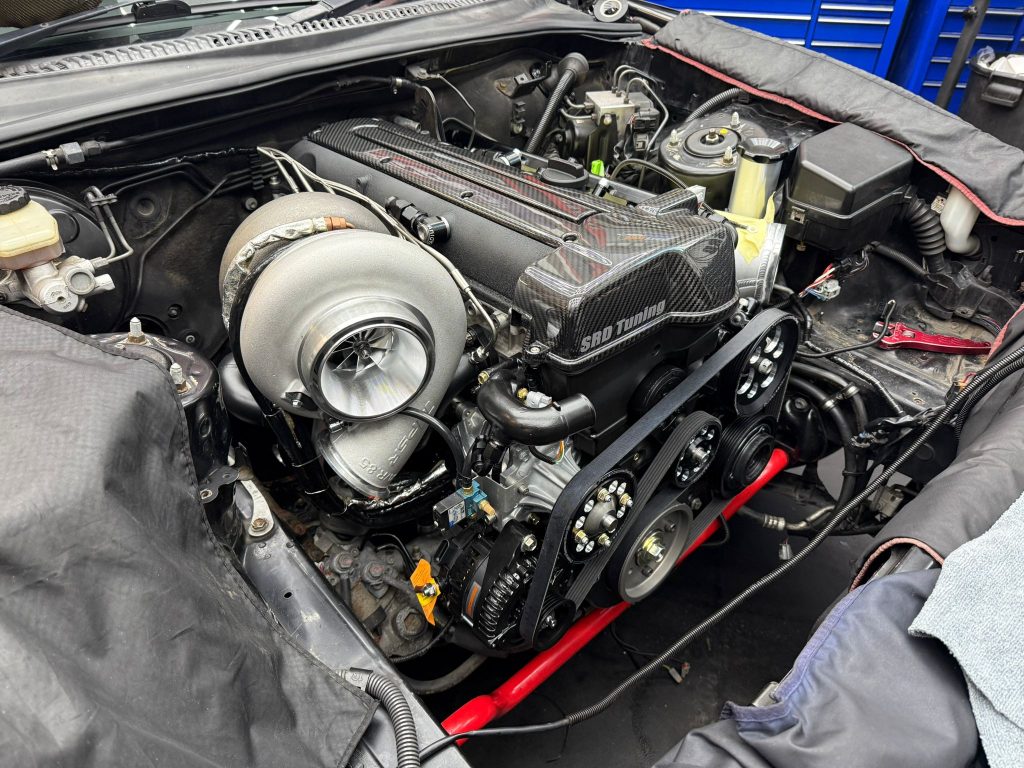
No point building a 3.4 and then choking it with a stock head. The VVTi head has been worked over with oversized valves, which let the engine breathe in proportion to the extra displacement. Think of it this way. You’ve increased the size of the air pump by almost half a litre, so the valves need to flow enough to keep up. Oversized valves increase the curtain area, meaning more air per degree of valve opening. That shows up as mid-range torque, which is exactly where a road car lives.
The cams have been upgraded too. Kelford 202D, long duration, high lift. 272/278, but it still idles at 1000rpm. These are a step up from what a lot of people would run on a street car, but the whole point of this build is that it’s not just a street car. The additional duration and lift open up the top end without killing the bottom, especially with VVTi to pull some timing out of the intake cam at low RPM to keep the idle and off-boost manners civilised. It’s the beauty of the VVTi 2JZ. You get to have your cake and eat it. A fixed cam engine, you’re always compromising. With VVTi, you set the cam timing for the top end and let the ECU sort out everything below it.
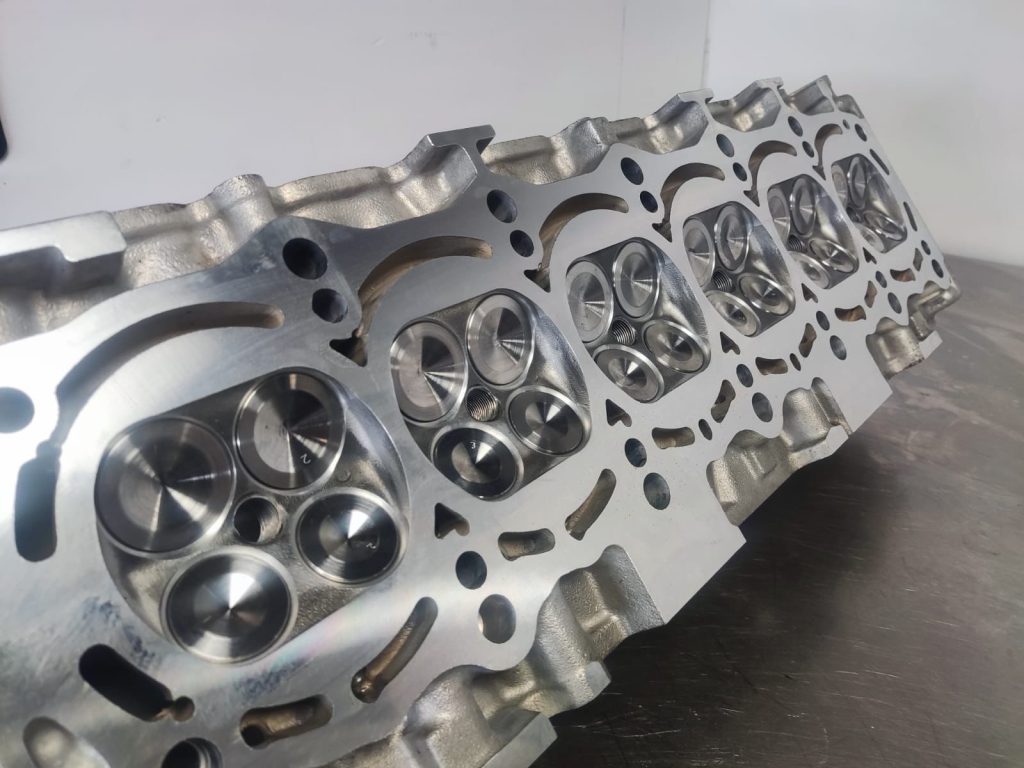
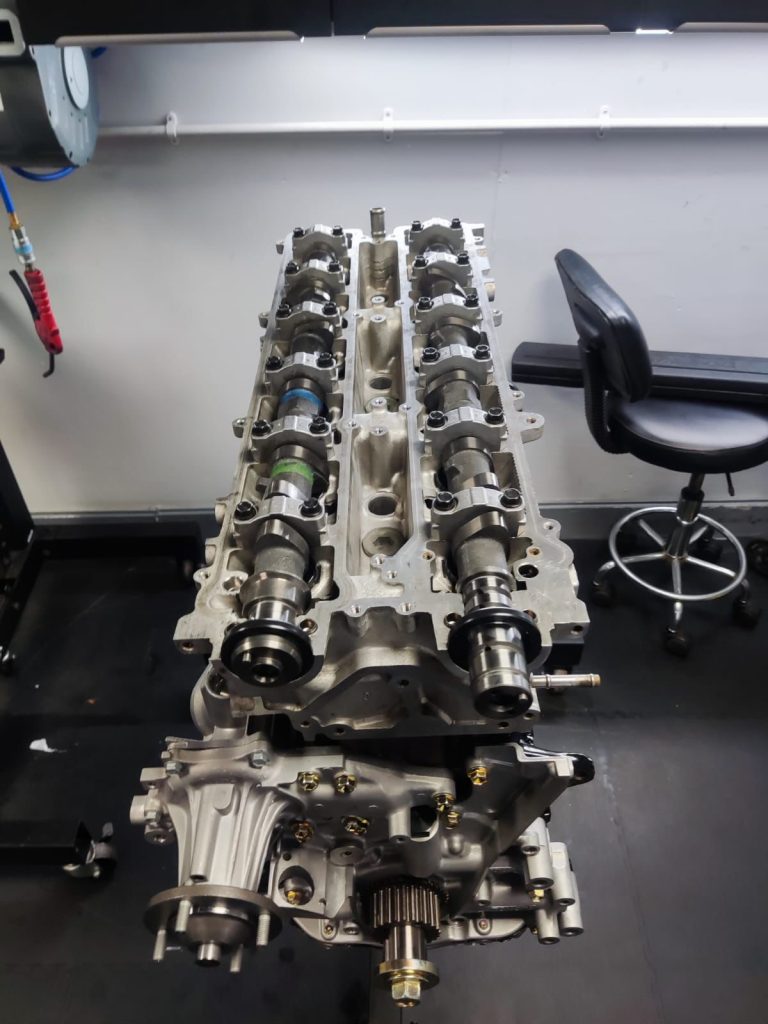
The Fuel System
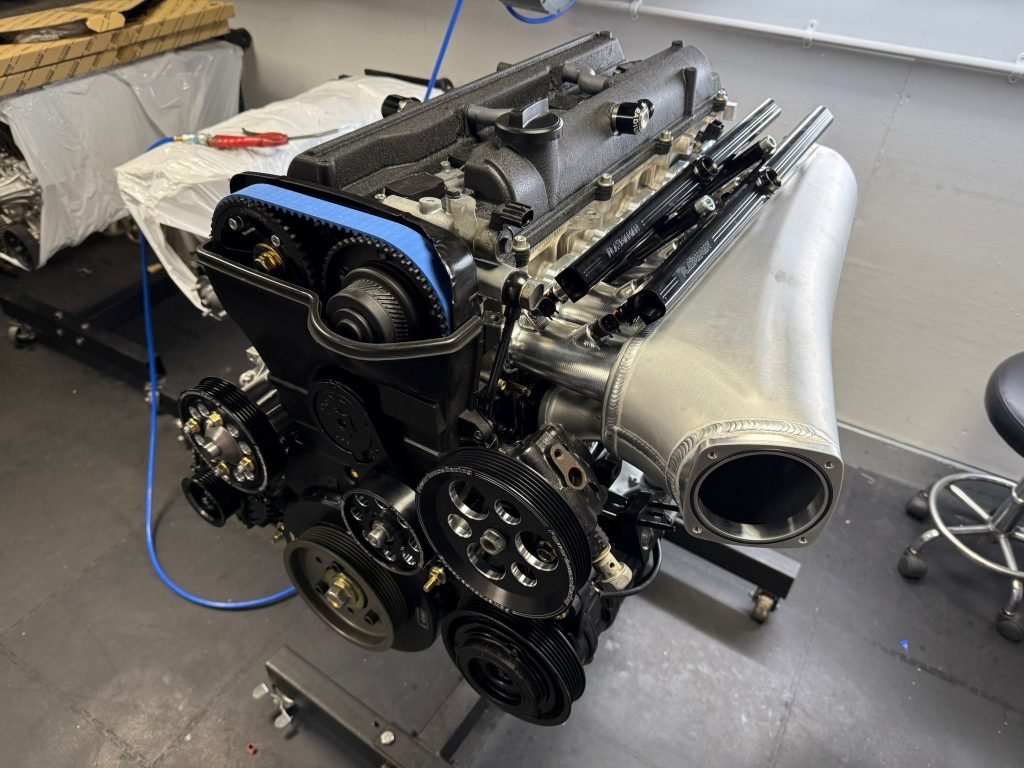
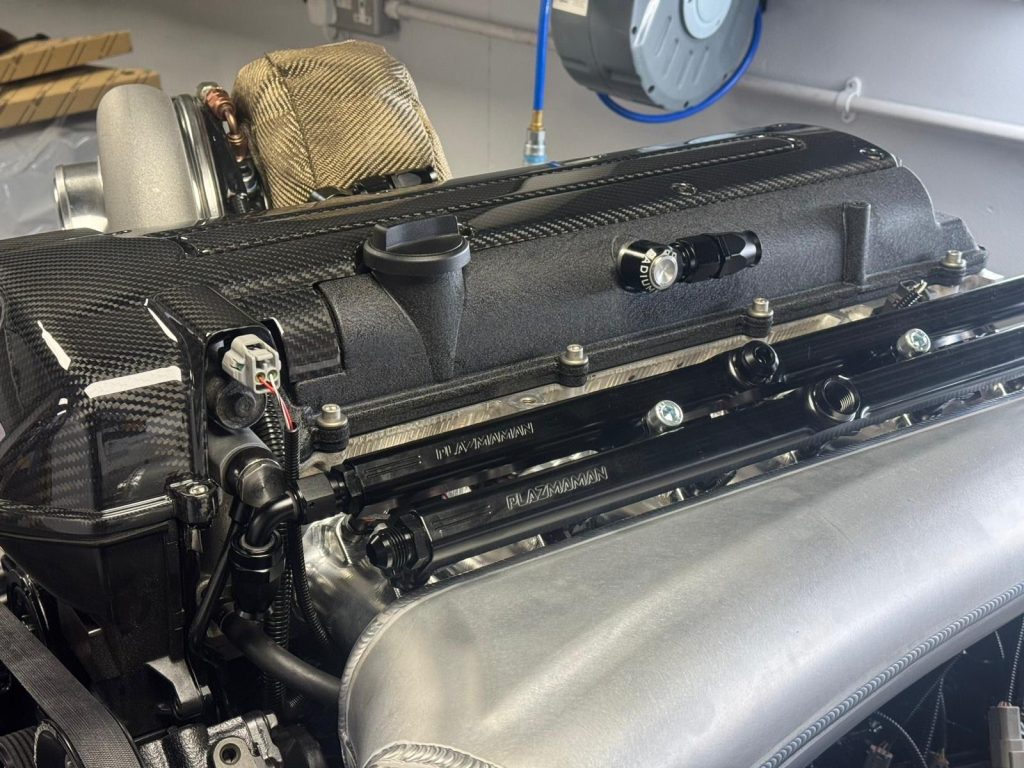
We all know that the 6x 1400cc injectors wouldn’t have cut the mustard, especially where E85 rears it’s little head. And I didn’t want 2600cc injectors killing low speed, low RPM drivability. So I went 12 injectors on a Plazmaman intake manifold, all of them CP1000.
They’re rated at 1000cc at 3 bar, and the car runs 4 bar static with a 1:1 rising rate regulator, so each injector is actually flowing closer to 1155cc. Twelve of those gives you roughly 13,900cc of installed capacity, which is the equivalent of six 2300cc injectors.
Six run as primaries and six as secondaries. The primaries handle idle, around town and low load, and the secondaries stage in when the load arrives, all managed beautifully by the Emtron. That’s the whole point of doing it this way. At idle you’ve only got the minimum pulse width problem of a 1000cc injector rather than a 2300cc one, but at full noise you’ve got the flow of the big ones.
The Bigger Turbo
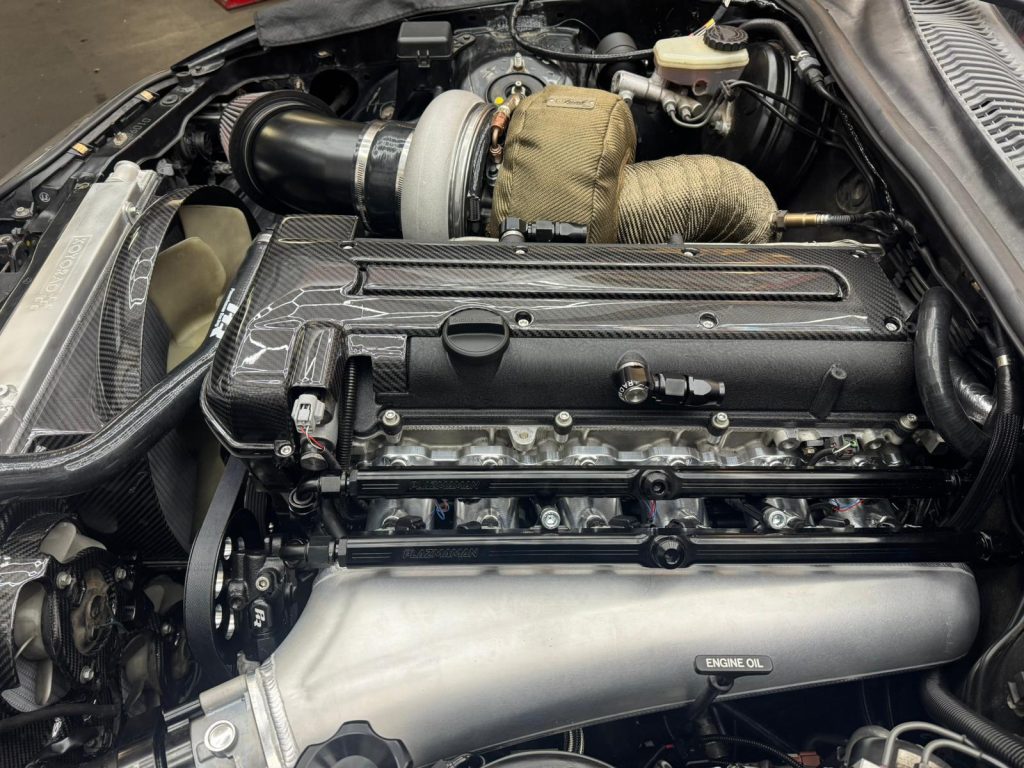
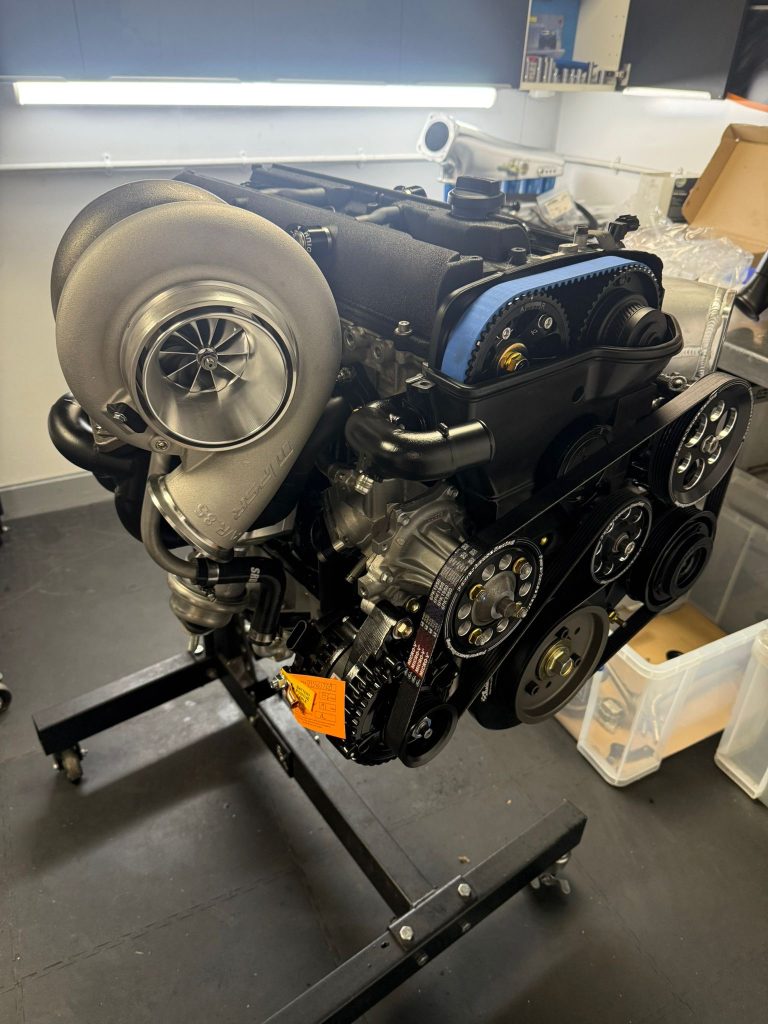
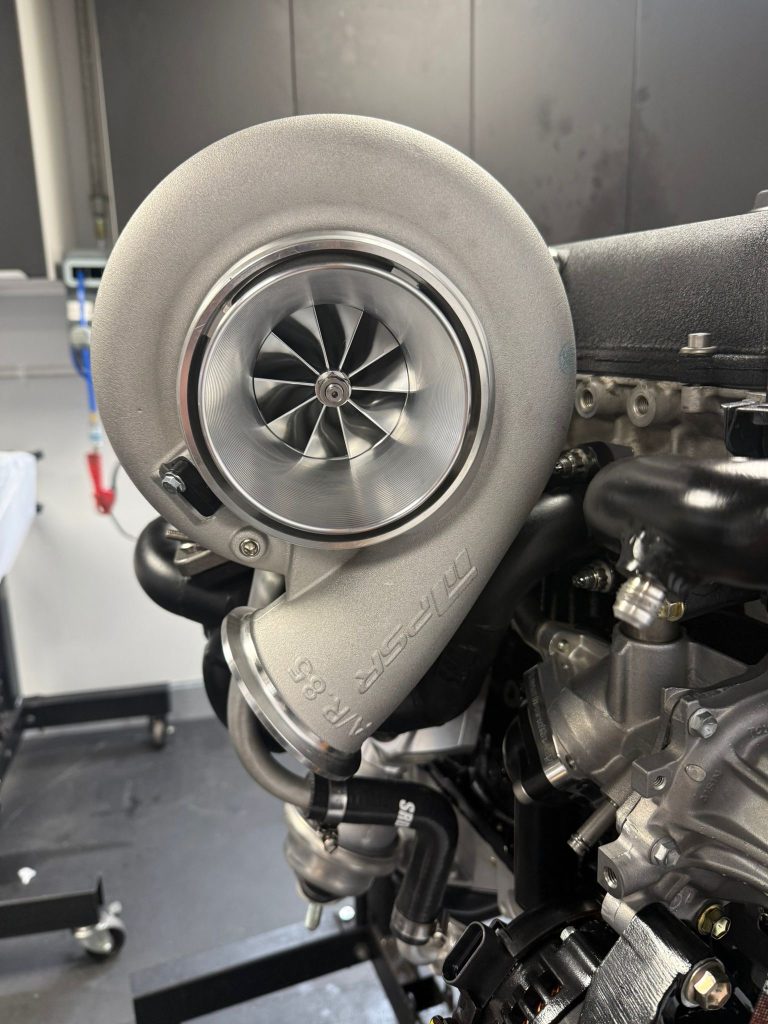
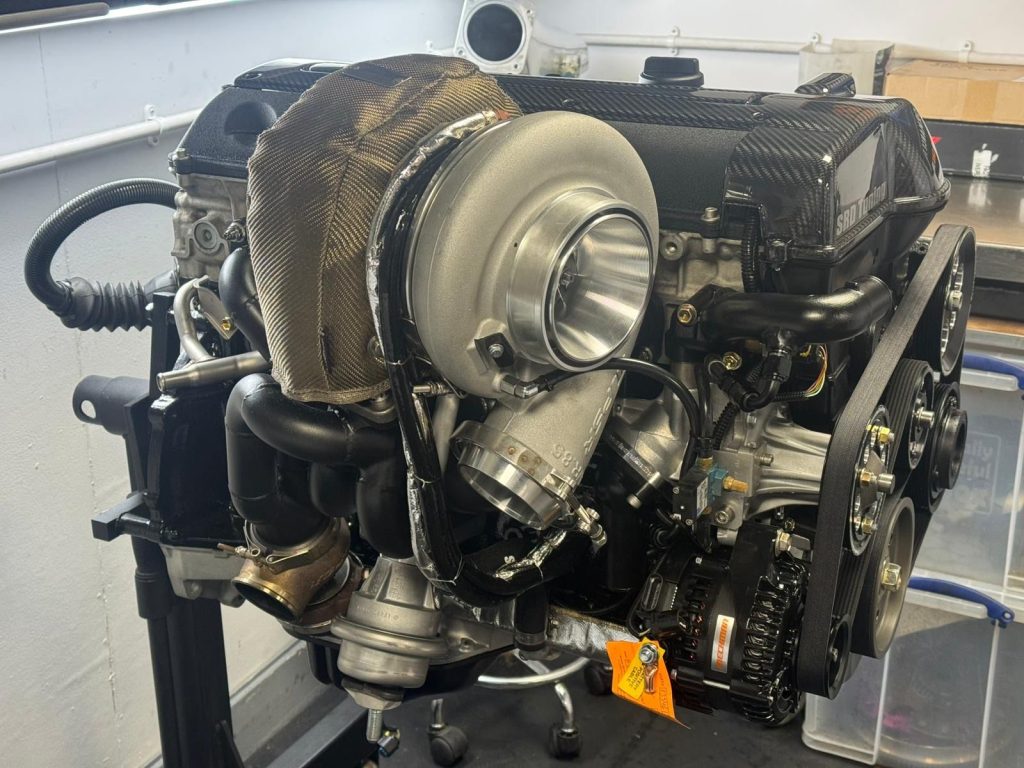
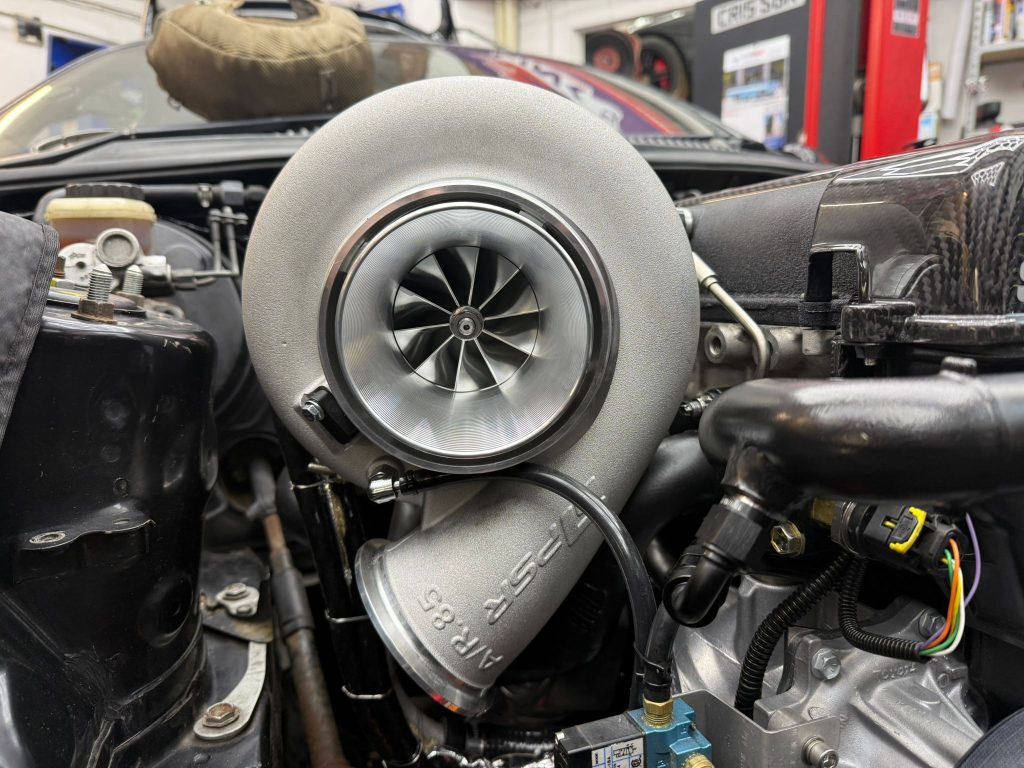
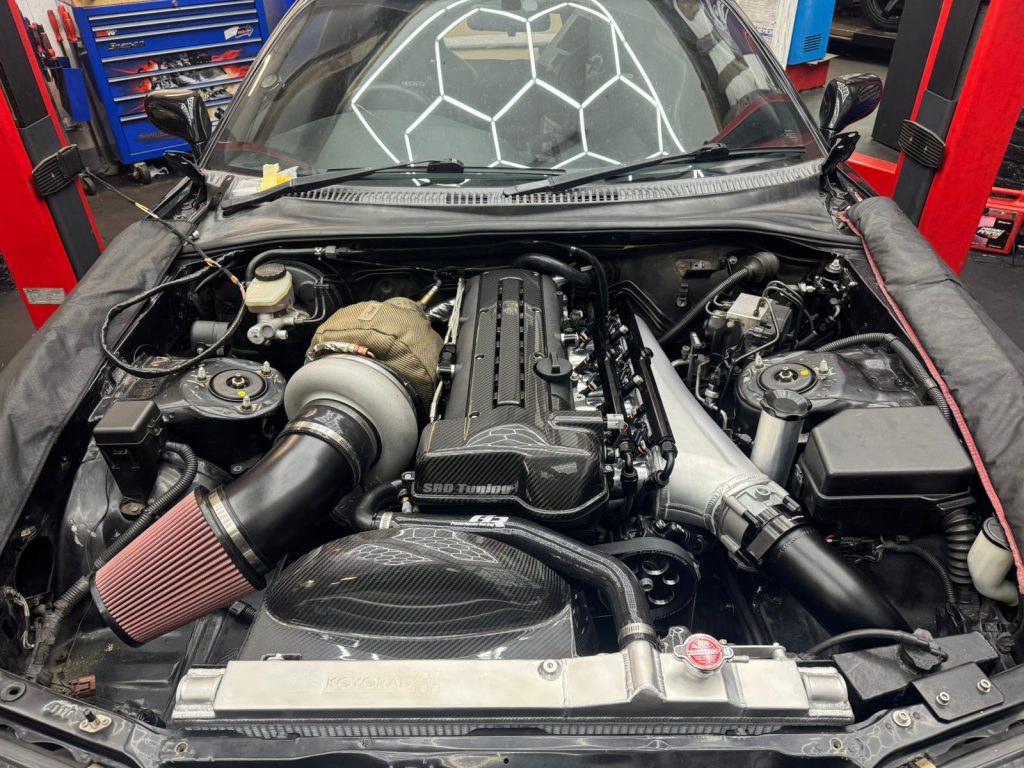
With the 3.4 stroker built and the head flowing properly, the G40-900 was always going to run out of puff. It’s a fantastic turbo, and the response on the 3.0 was brilliant, but it’s not going to make the numbers we’re after on the bigger engine. So, it’s been swapped for the Pulsar G42-1200. Yeah. A G42. On a Supra. Let that sink in for a second.
The thinking here is simple: the 3.4 will spool a physically larger turbo at roughly the same RPM as the 3.0 spooled the G40-900, because the engine is pumping more exhaust gas per revolution. So you don’t lose the response you had. You just extend the power curve further up the rev range. The G42-1200 has headroom for days. On paper, anyway. The dyno will tell the truth.
Dyno Day
And tell the truth it did. The car went on the SRD dyno and on E85 it put down 1114whp. One thousand, one hundred and fourteen wheel horsepower. From a 2JZ. In a Mk4 Supra. With an 8 speed auto and traction control. Let me just sit with that for a minute.
On pump fuel, it made 914whp, which is still absolutely mental and is what the car will run day to day. The E85 number is the party piece, but the pump figure is the one that matters for real world use. For context, the 3.0 made 548whp. So we’ve doubled the output. The stroker, head work, and G42-1200 have completely transformed this engine.
Both numbers came off the same Dynojet in the same session, uncorrected, so they’re directly comparable. E85 at 2.8 bar gauge, pump at 2.1 bar gauge.
What I can say is that the Emtron KV12 and the 8HP70 together are doing serious work here. The 3.0 at 548whp felt quick through those short ratios, and it felt like a bigger number than it was. So with the 3.4 stroker making over double that, and the Emtron managing the torque curve through the gears via the traction control strategy, this is no longer just a fast car. It’s something else entirely.
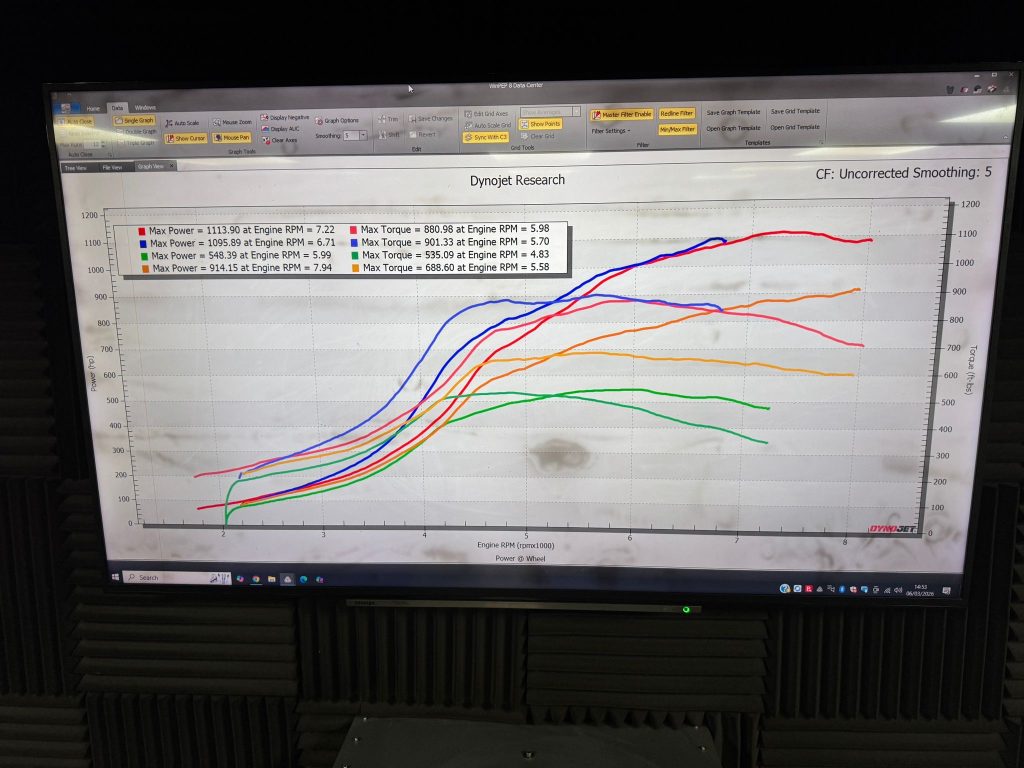
- The green line: the old build, 548whp
- The orange line: pump fuel, 914whp
- The red line: E85, 1114whp
But look at the shape. It comes on earlier and lasts longer. Tell me this isn’t the perfect street Supra?!
Putting It Down
With 1114whp on tap, the drivetrain needed to keep up. The OS Giken LSD is now in, along with a 2.93 final drive ratio. The Giken was never a nice-to-have at this power level. It’s the difference between the car putting the power down and the car trying to kill you. The 2.93 ratio lengthens the gearing slightly, which combined with the 8 speed gives you a usable spread across all the ratios without the car trying to spin the rears every time you breathe on it in second.
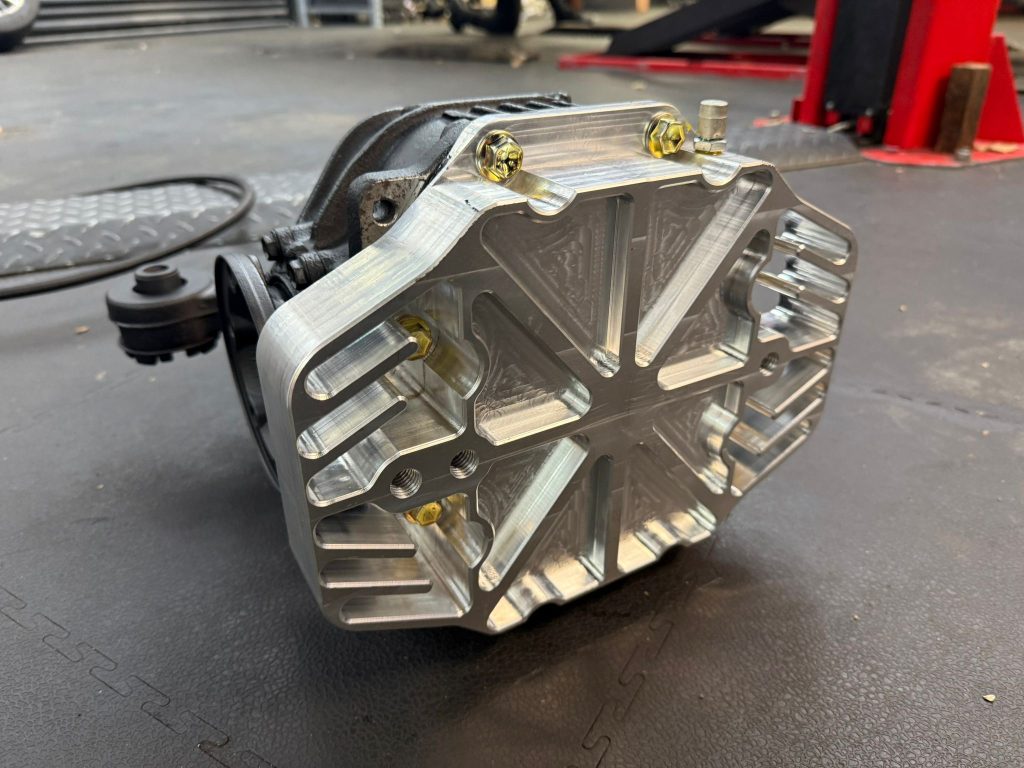
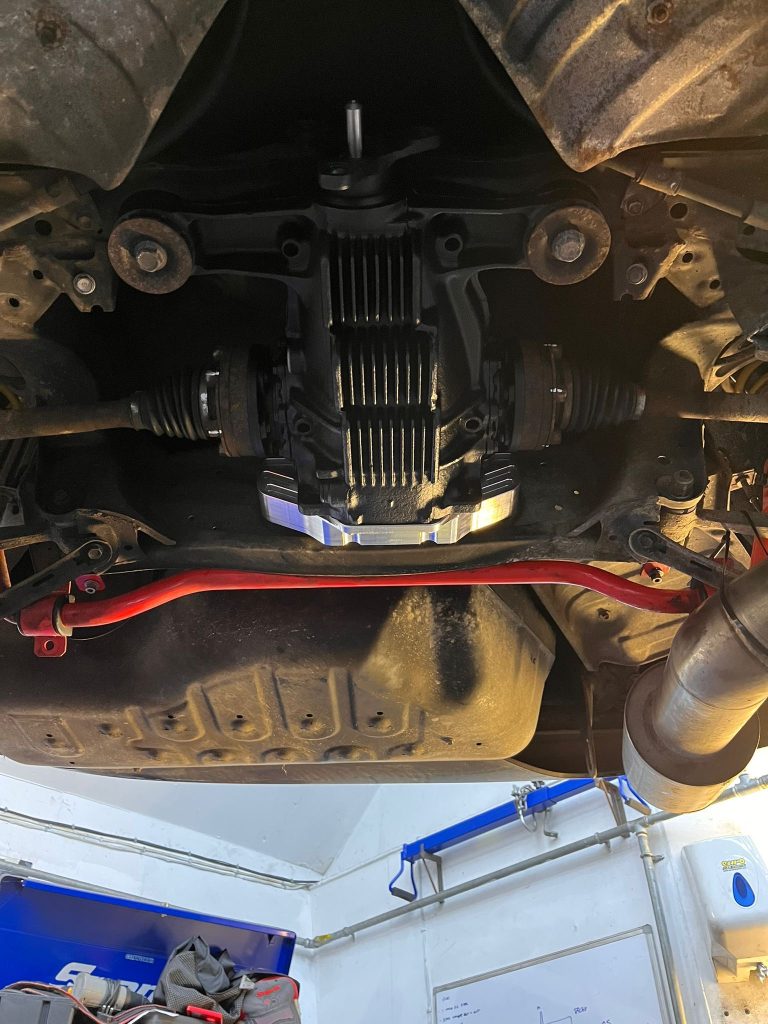
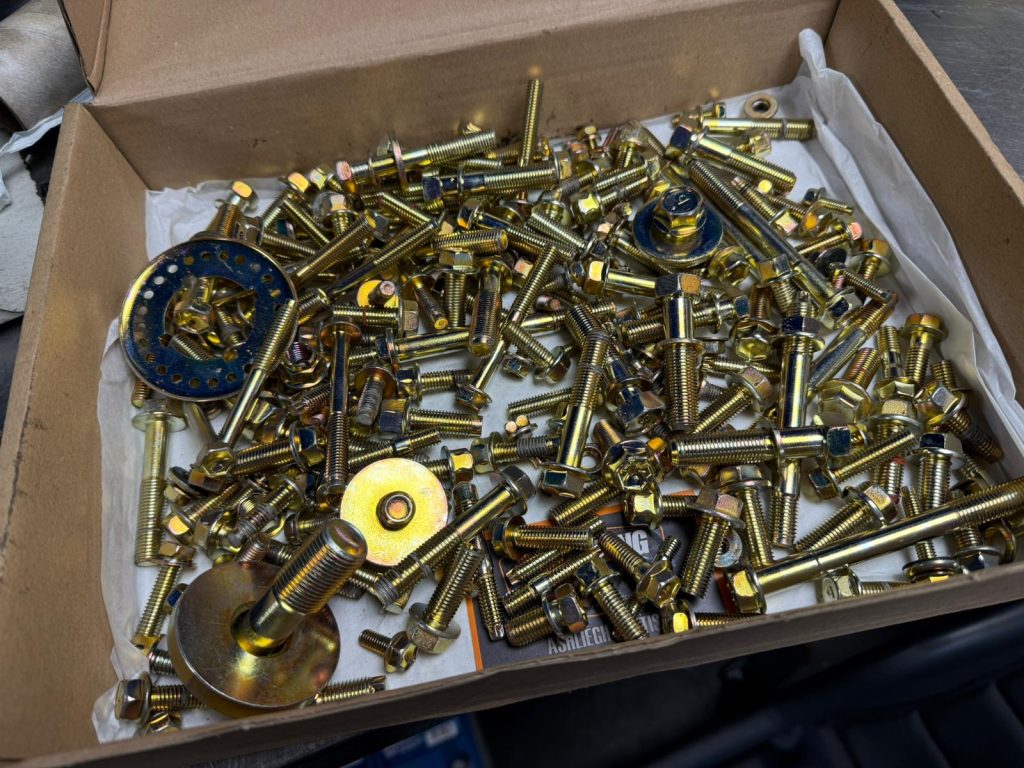
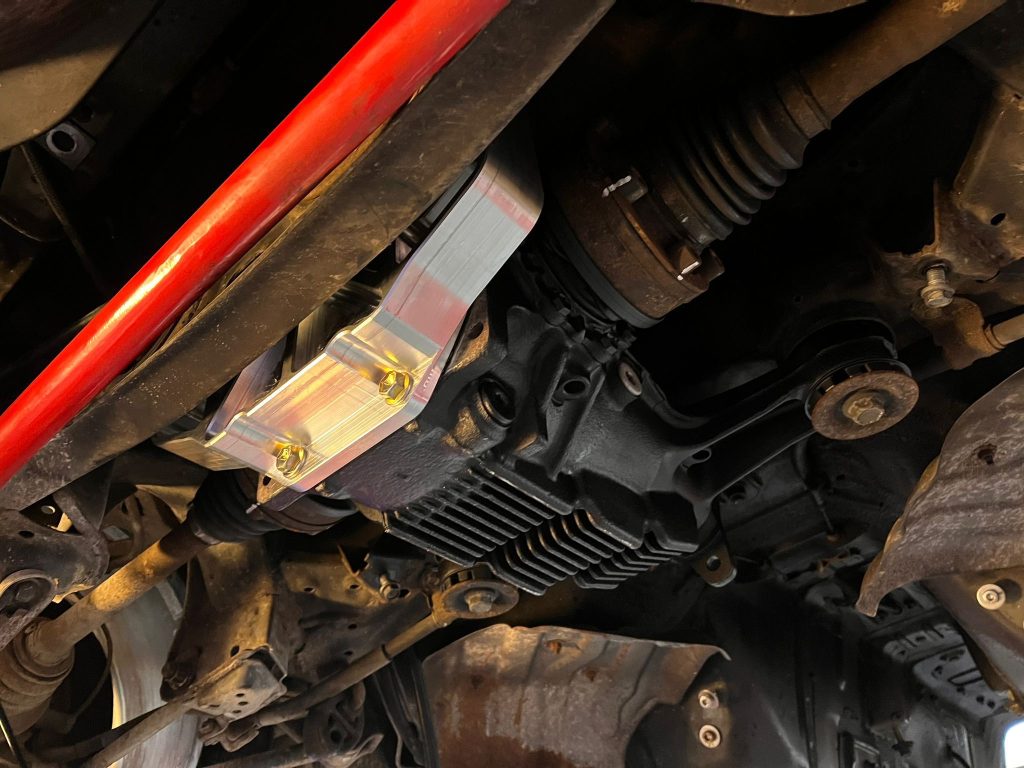
With the Giken, the new ratio, and the Emtron traction control strategy dialled in for the new power level, this is everything I set out to build. A car for life. One that can cruise to Scotland on a slap! Adventures trip and then rearrange your internal organs on the way home.
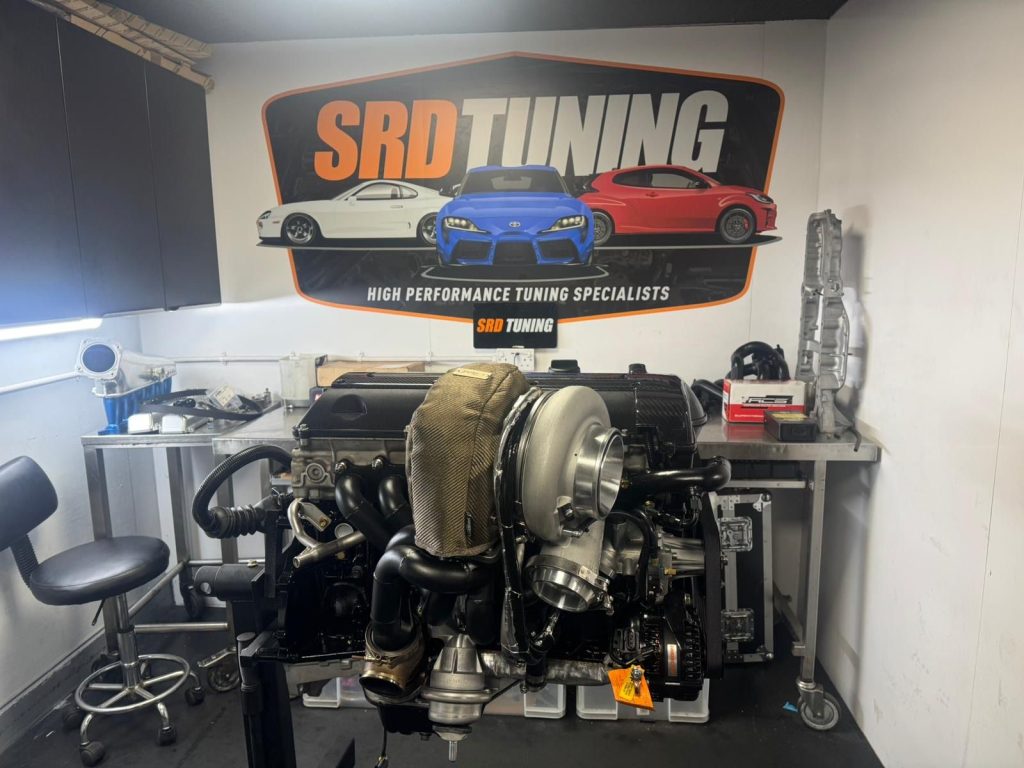
SRD Tuning. Heroes. Again.